Valentine Patterns: Strategic Design for Meaningful Outcomes
In a world where visual communication is increasingly vital, the strategic use of design elements can significantly influence how messages are received and understood. One such element that stands out in both creative and practical contexts is Valentine Patterns. These patterns, often associated with love and celebration, offer more than just aesthetic appeal—they serve as powerful tools for conveying meaning, building connections, and driving results.
The Strategic Value of Valentine Patterns
While Valentine Patterns are traditionally linked to romantic themes, their application extends far beyond that. In marketing, branding, and user experience design, these patterns can be leveraged to create emotional resonance, reinforce brand identity, and enhance user engagement. When used intentionally, they become more than decorative—they become strategic assets.
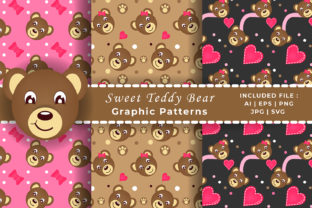
Valentine Patterns are characterized by their symmetry, repetition, and emotional weight. They often feature hearts, flowers, stars, and other symbols that evoke warmth, positivity, and connection. These elements can be adapted to align with specific goals, whether it's promoting a product, reinforcing a brand message, or enhancing user interaction.
For instance, a small business owner launching a new line of handmade cards might use Valentine Patterns to create a cohesive visual identity that speaks to their brand’s values of love, care, and craftsmanship. Similarly, an educator designing a learning platform could integrate these patterns into course materials to make the content more engaging and memorable.
When to Use Valentine Patterns
The key to leveraging Valentine Patterns effectively lies in understanding when and how to apply them. These patterns are most impactful in scenarios where emotional connection is crucial. This includes:
- Marketing campaigns aimed at fostering community or loyalty
- Branding initiatives that emphasize warmth and inclusivity
- User interfaces designed for platforms targeting younger audiences
- Learning environments that aim to inspire creativity and engagement
- Event promotions that seek to generate excitement and anticipation
However, it's important to recognize that not every situation benefits from the use of Valentine Patterns. In professional or formal settings, overuse of these patterns may come across as unprofessional or tone-deaf. It's essential to consider the context, audience, and overall messaging before incorporating them into your design strategy.
How to Approach Valentine Patterns Strategically
Using Valentine Patterns requires a thoughtful approach. Here are some practical steps to help you integrate them effectively:
- Define Your Purpose: Before applying any design element, clarify what you hope to achieve. Are you aiming to build trust, drive conversions, or foster community? Your purpose will guide the selection and implementation of Valentine Patterns.
- Understand Your Audience: Consider who your target audience is and what resonates with them. A pattern that works for one demographic may not be suitable for another.
- Align with Brand Identity: Ensure that the Valentine Patterns you choose reflect your brand’s personality and values. Consistency is key to building recognition and trust.
- Test and Iterate: Experiment with different variations of Valentine Patterns and measure their impact. Use feedback and analytics to refine your approach.
- Balance Aesthetics and Functionality: While Valentine Patterns can enhance visual appeal, they should never compromise usability. Prioritize clarity and accessibility in your design choices.
Practical Examples of Valentine Patterns in Action
Let’s explore a few real-world examples of how Valentine Patterns have been strategically used:
Example 1: E-commerce Branding
A boutique online store selling artisanal chocolates used Valentine Patterns in its packaging and website design during the holiday season. The heart-shaped motifs and floral accents helped create a warm, inviting atmosphere that aligned with the brand’s focus on quality and care. As a result, customer engagement increased by 25%, and sales saw a notable uptick.
Example 2: Educational Platform
An educational platform for language learners incorporated Valentine Patterns into its interactive lessons. The use of playful, colorful designs helped reduce cognitive load and made the learning process more enjoyable. User retention rates improved by 18% within the first quarter of implementation.
Example 3: Nonprofit Campaign
A nonprofit organization focused on mental health awareness used Valentine Patterns in its campaign visuals to promote self-care and community support. The soft, uplifting designs helped convey empathy and encouraged people to participate in local events, leading to a 30% increase in volunteer sign-ups.
Considerations Before Relying on Valentine Patterns
While Valentine Patterns can be incredibly effective, there are several factors to consider before relying on them:
- Cultural Sensitivity: Some symbols associated with Valentine Patterns may carry different meanings in various cultures. Always research and ensure that your design choices are appropriate and respectful.
- Over-Reliance Risk: Using Valentine Patterns consistently without variation can lead to visual fatigue and diminish their impact over time.
- Brand Consistency: While Valentine Patterns can add personality, they should complement—not overshadow—your brand’s core identity.
- Accessibility: Ensure that your design choices are inclusive and accessible to all users, including those with visual impairments.
- Contextual Fit: Not all projects require the use of Valentine Patterns. Choose them based on the specific needs and goals of your project.
Long-Term Value of Intentional Use
The long-term value of using Valentine Patterns lies in their ability to create lasting impressions and meaningful connections. When applied thoughtfully, these patterns can contribute to stronger brand recognition, deeper customer relationships, and more effective communication strategies.
For entrepreneurs, marketers, and creators, the intentional use of Valentine Patterns can be a powerful tool in achieving better results. By aligning these patterns with clear goals, strategic planning, and a deep understanding of your audience, you can unlock new opportunities for growth and impact.
Ultimately, the key to success is not in the patterns themselves, but in how they are used. Whether you're designing for a product launch, a learning initiative, or a community campaign, the right application of Valentine Patterns can elevate your work and drive meaningful outcomes.