Sea Green and Forest Green Patterns: Strategic Design for Purposeful Creativity
Sea green and forest green patterns offer more than just visual appeal—they provide a strategic foundation for intentional creativity. These color-rich designs are not merely aesthetic choices but tools that can support planning, communication, branding, and productivity in both personal and professional contexts. Whether you're an entrepreneur launching a new brand or a hobbyist looking to elevate your craft, understanding how to use sea green and forest green patterns effectively can lead to better outcomes.
The Strategic Value of Sea Green and Forest Green Patterns
Sea green and forest green are colors that evoke nature, calm, and growth. Their presence in design can influence perception, mood, and even decision-making. When used thoughtfully, these patterns can serve as a visual anchor for projects, helping maintain consistency across various applications. For instance, a digital planner designed with forest green backgrounds may subtly reinforce the idea of stability and progress, aligning with the user’s goals.
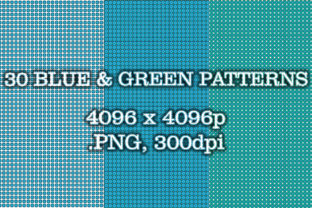
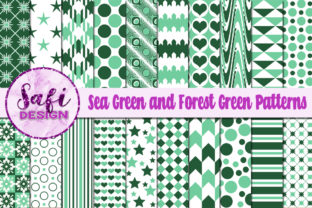
These patterns are also highly versatile. They come in 12in x 12in (30cm x 30cm) sizes at 300dpi resolution, ensuring high-quality output for print and digital use. The seamless tiling feature makes them ideal for large-scale layouts without visible repetition. This flexibility allows creators to apply them across multiple platforms—from digital scrapbooking to party stationery—without compromising on quality or design integrity.
Why Strategic Use Matters
While it's easy to incorporate sea green and forest green patterns into a project, doing so without clear intent can lead to missed opportunities. Consider the purpose behind each design choice. Are you aiming to communicate trust, innovation, or tranquility? Each color has psychological implications that should align with your broader objectives.
For example, a small business owner might use forest green patterns in marketing materials to convey reliability and environmental responsibility. In contrast, a creative agency could use sea green patterns to suggest freshness and originality. Understanding these nuances ensures that your design choices support your messaging rather than distract from it.
When to Use Sea Green and Forest Green Patterns
The right time to use these patterns depends on your goals and the context in which they will be applied. Here are some scenarios where they excel:
- Branding and Marketing: Use forest green patterns for logos, packaging, and website backgrounds to establish a sense of professionalism and sustainability.
- Digital Planning: Incorporate sea green patterns into digital planners or calendars to create a calming and organized workspace.
- Event Design: Apply these patterns to invitations, signage, and decor for events that emphasize nature, renewal, or community.
- Learning and Education: Utilize them in educational materials to create engaging and visually appealing content that supports focus and retention.
- Personal Projects: Whether it's a journal, scrapbook, or DIY craft, these patterns can add a touch of elegance and intentionality.
By aligning pattern usage with specific objectives, you ensure that every design element contributes to a larger strategy. This approach not only enhances the visual impact but also strengthens the overall message you wish to convey.
How to Approach Pattern Integration
Integrating sea green and forest green patterns into your workflow requires a thoughtful process. Start by defining your goals and identifying the key messages you want to communicate. Then, select patterns that best reflect those values. For instance, if your goal is to promote eco-friendly practices, choose patterns that incorporate natural elements like leaves, waves, or abstract organic shapes.
Next, consider the medium in which the patterns will be used. Digital projects benefit from high-resolution files, while print projects require careful attention to color accuracy and texture. Always test patterns in different environments to ensure they maintain their intended effect.
Finally, think about how these patterns fit into your existing design system. Consistency is key to creating a cohesive brand identity. If you're using these patterns for multiple projects, ensure they complement other design elements such as typography, imagery, and layout structures.
Practical Examples and Strategic Observations
Let’s explore a few real-world examples to illustrate how sea green and forest green patterns can be strategically applied:
Example 1: Branding for a Sustainable Business
A company focused on eco-friendly products might use forest green patterns in its logo and packaging. This reinforces the brand’s commitment to sustainability and creates an emotional connection with environmentally conscious consumers. The patterns can also be used in marketing materials to maintain a consistent visual language across all touchpoints.
Example 2: Digital Planner Design
A digital planner aimed at professionals might incorporate sea green patterns to create a soothing and motivating environment. These patterns can be used as background layers or accents, helping users stay focused and productive throughout the day. The subtle repetition of the patterns adds a sense of rhythm and structure, enhancing the overall user experience.
Example 3: Educational Content Creation
Teachers or educators can use these patterns in lesson plans, worksheets, or presentations to make learning more engaging. Forest green patterns, in particular, can help create a calm and inviting atmosphere that encourages concentration and comprehension.
Each of these examples demonstrates how the thoughtful application of sea green and forest green patterns can enhance both functionality and aesthetics. By aligning design choices with strategic goals, you maximize the impact of your work.
Risks of Using Patterns Without Clear Goals
While sea green and forest green patterns offer numerous benefits, they can also pose risks if used without a clear purpose. One common issue is overuse, which can lead to visual clutter and dilute the intended message. Another risk is misalignment with brand identity, resulting in a disjointed customer experience.
Additionally, using these patterns randomly can undermine the credibility of your work. For instance, a business that uses overly ornate forest green patterns in its branding may appear unprofessional or inconsistent with its core values. To avoid these pitfalls, always approach pattern selection with intention and clarity.
Strategic Decision-Making with Sea Green and Forest Green Patterns
Effective use of sea green and forest green patterns requires strategic decision-making. Begin by asking yourself: What is the primary objective of this design? How does the pattern support that objective? What message do I want to convey through this visual element?
Consider the audience as well. A pattern that resonates with one demographic may not have the same impact on another. For example, a younger audience might respond positively to vibrant sea green patterns, while a more mature audience might prefer the subtlety of forest green tones.
Finally, evaluate the long-term value of your design choices. Will these patterns continue to serve your goals as your project evolves? By focusing on sustainable and intentional design, you ensure that your work remains relevant and impactful over time.
Conclusion
Sea green and forest green patterns are more than just decorative elements—they are powerful tools for strategic creativity. When used intentionally, they can enhance communication, support branding, and improve productivity. By aligning pattern choices with clear goals and considering the context in which they are applied, you unlock their full potential.