6 Seamless Halftone Dot Patterns: A Creative Resource for Designers and Artists
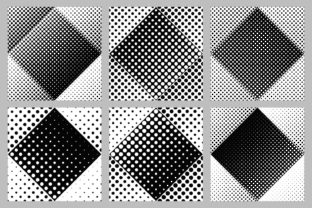
Seamless halftone dot patterns have long been a staple in the world of design, offering both aesthetic appeal and functional versatility. These patterns are not only visually engaging but also serve practical purposes across various industries. In this article, we explore six seamless halftone dot patterns that stand out for their unique characteristics and wide-ranging applications. Whether you're a graphic designer, a digital artist, or a business owner looking to enhance your branding, understanding these patterns can elevate your creative projects.
The Appeal of Seamless Halftone Dot Patterns
Seamless halftone dot patterns are created by arranging small dots in a way that allows them to repeat without visible seams. This makes them ideal for backgrounds, textures, and overlays. The key feature of these patterns is their ability to create depth and texture while maintaining a clean, modern look. They are often used in print and digital media to add visual interest without overwhelming the content.
These patterns are particularly popular in the realm of abstract vector illustrations. Their organic yet structured appearance lends itself well to both minimalist and intricate designs. For instance, a seamless halftone dot pattern can transform a simple background into a dynamic element that draws the eye and enhances the overall composition.
Pattern 1: Classic Halftone Grid
The classic halftone grid is one of the most recognizable seamless halftone dot patterns. It consists of evenly spaced dots arranged in a grid formation. This pattern is widely used in photography and printing to simulate tonal variations. Its simplicity makes it a go-to choice for designers seeking a timeless look.
For professionals working on branding materials, the classic halftone grid offers a reliable foundation. It can be applied to logos, packaging, and website backgrounds to create a cohesive visual identity. Its adaptability ensures that it remains relevant across different mediums and platforms.
Pattern 2: Organic Dot Cluster
In contrast to the structured grid, the organic dot cluster pattern features randomly distributed dots that mimic natural textures. This pattern is ideal for creating a more fluid and artistic feel. It's commonly used in fashion and interior design to add subtle texture to fabrics and surfaces.
Creators and artists may find the organic dot cluster particularly useful for adding depth to digital paintings or mixed-media compositions. Its irregularity allows for greater creative freedom, making it a favorite among those who value spontaneity in their work.
Applications Across Industries
Seamless halftone dot patterns are not limited to a single industry. They find applications in a variety of fields, including graphic design, web development, print media, and even product design. Let's take a closer look at how these patterns can be utilized in real-world scenarios.
For example, a web developer might use a seamless halftone dot pattern as a background for a landing page to create an engaging user experience. Similarly, a product designer could incorporate such a pattern into packaging to enhance visual appeal and brand recognition.
Pattern 3: Gradient Halftone Blend
The gradient halftone blend pattern combines elements of both the grid and organic dot cluster. It features a gradual transition between different dot densities, creating a sense of movement and depth. This pattern is especially effective in digital art and motion graphics, where subtle changes in tone can significantly impact the overall mood.
Business owners looking to create a dynamic online presence may benefit from using this pattern in their website layouts or social media visuals. Its versatility allows it to be adapted to various color schemes and design styles, ensuring a consistent brand image across all platforms.
Pattern 4: Metallic Dot Texture
The metallic dot texture pattern adds a touch of sophistication and luxury to any design. It features reflective dots that give the illusion of light and shine. This pattern is often used in high-end branding and advertising campaigns to convey exclusivity and quality.
Professionals in the luxury goods sector may find this pattern particularly useful for packaging and promotional materials. It can help differentiate their products from competitors and create a lasting impression on consumers.
Choosing the Right Pattern for Your Project
With so many seamless halftone dot patterns available, selecting the right one for your project can be challenging. Here are some factors to consider when evaluating which pattern best suits your needs:
- Intended Use: Determine whether the pattern will be used for print, digital media, or both. Some patterns may perform better in one medium than another.
- Color Scheme: Choose a pattern that complements your chosen color palette. Some patterns may clash with certain colors, while others can enhance them.
- Visual Impact: Consider how the pattern will affect the overall composition. Will it add depth, texture, or simply serve as a background?
- Brand Identity: Ensure the pattern aligns with your brand's personality and values. A bold pattern may suit a modern brand, while a subtle one may be better for a minimalist approach.
By carefully considering these factors, you can make an informed decision that enhances both the aesthetics and functionality of your design.
Pattern 5: Subtle Dot Overlay
The subtle dot overlay pattern is designed to add a gentle texture without overpowering the main content. It features faintly spaced dots that blend seamlessly into the background. This pattern is ideal for websites, presentations, and other digital content where subtlety is key.
Online users and content creators may appreciate this pattern for its ability to enhance visual appeal without distracting from the core message. It's a great option for those who want to add a touch of elegance to their digital projects.
Pattern 6: Abstract Dot Matrix
The abstract dot matrix pattern takes a more experimental approach, featuring a mix of sizes, shapes, and spacing to create a dynamic visual effect. This pattern is perfect for creative projects that require a unique and eye-catching design.
Artists and designers looking to push the boundaries of traditional design may find this pattern particularly inspiring. It encourages innovation and experimentation, allowing for a wide range of creative possibilities.
Conclusion: Enhancing Creativity with Seamless Halftone Dot Patterns
Seamless halftone dot patterns offer a versatile and visually appealing solution for a wide range of design needs. From the classic grid to the abstract matrix, each pattern brings its own unique qualities and benefits. By understanding the characteristics and applications of these patterns, designers, artists, and professionals can elevate their work and create more engaging experiences for their audiences.
Whether you're working on a personal project or a commercial endeavor, exploring these six seamless halftone dot patterns can open up new creative possibilities. With careful consideration and thoughtful application, these patterns can become powerful tools in your design toolkit.