4 Seamless Geometric Patterns for Modern Design
In the world of design, seamless geometric patterns have become a staple for creating visually appealing and versatile backgrounds. Whether you're working on a website, a print layout, or a digital product, the right pattern can elevate your project's aesthetic. Among the many options available, four seamless geometric patterns stand out for their adaptability, style, and utility. These patterns are not only aesthetically pleasing but also highly functional, making them ideal for a wide range of applications.
The Power of Seamless Geometric Patterns
Seamless geometric patterns are designed to repeat without visible seams, allowing them to be used in any size or scale. This characteristic makes them perfect for backgrounds, textures, and overlays. When choosing a pattern, it's important to consider its visual impact, color harmony, and how well it complements the overall design.
One of the most popular choices is the hexagonal grid. Its repeating structure offers a modern and structured look that works well with both minimalist and bold design styles. Another favorite is the triangular tessellation, which adds a dynamic and energetic feel to any project. The zigzag stripe pattern brings movement and rhythm, while the circle cluster creates a sense of balance and cohesion.
Hexagonal Grid: Structure Meets Style
The hexagonal grid pattern is composed of six-sided shapes arranged in a continuous, non-repeating sequence. This design is commonly found in nature, such as in honeycombs, and has been adopted in various industries for its efficiency and visual appeal.
Its strength lies in its ability to create a sense of order and symmetry. It's particularly useful in branding, web design, and interior decoration. The hexagonal grid can be used as a background texture, a decorative element, or even as a base for other design elements.
When using this pattern, it's important to consider the color palette. A copper-colored hexagonal grid can add warmth and sophistication to any design. It pairs well with neutral tones and can be used to highlight key elements or create a subtle backdrop.
Real-world applications include logo designs, app interfaces, and promotional materials. For example, a tech startup might use a hexagonal grid in their website background to convey innovation and structure.
Triangular Tessellation: Dynamic and Versatile
The triangular tessellation pattern consists of interlocking triangles that form a seamless, repeating design. This pattern is known for its ability to create depth and movement, making it a popular choice for creative projects.
Its versatility allows it to be used in a variety of contexts, from fashion to architecture. The triangular tessellation can be scaled up or down, making it suitable for both large-scale projects and small details. When paired with a copper color, it adds a touch of elegance and richness to any design.
This pattern is especially effective in creating visual interest and guiding the viewer's eye through the design. It can be used as an overlay, a border, or a standalone background. In practical terms, it's ideal for websites, social media graphics, and packaging designs.
Zigzag Stripe: Movement and Energy
The zigzag stripe pattern is characterized by its alternating, diagonal lines that create a sense of motion and energy. This pattern is often associated with modern and contemporary design, offering a fresh and dynamic look.
Its unique structure makes it ideal for adding visual interest to flat surfaces. The zigzag stripe can be used to break up monotony, create contrast, or guide the viewer's attention. When combined with a copper color, it introduces warmth and a metallic sheen that enhances the overall design.
This pattern is particularly useful in branding, advertising, and user interface design. It can be applied as a background, a graphic element, or a decorative border. Real-world examples include product packaging, website headers, and promotional banners.
Circle Cluster: Balance and Harmony
The circle cluster pattern features a series of overlapping circles that create a cohesive and balanced design. This pattern is often associated with organic and soft aesthetics, making it a great choice for more subdued and elegant projects.
Its circular nature provides a sense of unity and continuity, making it ideal for backgrounds and textures. The circle cluster pattern can be used to add depth and dimension to a design, or to create a focal point. When paired with a copper color, it adds a warm and sophisticated tone.
This pattern is particularly effective in creating a calming and inviting atmosphere. It can be used in interior design, branding, and digital media. For instance, a wellness brand might incorporate a circle cluster pattern into their website background to convey a sense of peace and harmony.
Choosing the Right Pattern for Your Project
When selecting a seamless geometric pattern, it's essential to consider the purpose of your project, the target audience, and the desired aesthetic. Each pattern has its own strengths and limitations, so it's important to evaluate how well it aligns with your goals.
For example, the hexagonal grid is ideal for projects that require structure and clarity, while the zigzag stripe is better suited for designs that need energy and movement. The circle cluster pattern is best for creating a calm and balanced environment, and the triangular tessellation is excellent for adding depth and visual interest.
Additionally, the availability of high-quality vector EPS files and JPG images ensures that these patterns can be easily integrated into various design tools and platforms. This makes them accessible to both professionals and creators who may not have advanced technical skills.
It's also important to consider the scalability and flexibility of each pattern. Some patterns may work better in certain dimensions or resolutions, so it's crucial to test them in different contexts before finalizing your design.
Conclusion
Seamless geometric patterns offer a powerful and flexible solution for enhancing the visual appeal of any design. Whether you're working on a website, a print layout, or a digital product, the right pattern can make all the difference. By understanding the characteristics and applications of each pattern, you can make informed decisions that align with your creative vision and project goals.
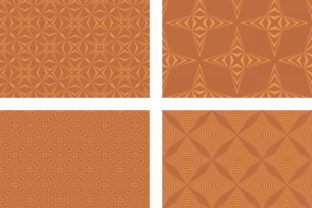
With the availability of 4 seamless geometric patterns and a copper color abstract pattern background, designers have access to a wide range of options that cater to diverse needs and preferences. From the structured hexagonal grid to the dynamic zigzag stripe, these patterns provide both aesthetic value and functional benefits. By exploring their potential, you can unlock new possibilities and elevate your design projects to the next level.